
Installing structural bolts may seem straightforward: select a tool, install the bolt, and move on to the next connection. But proper structural bolting involves much more than operating a wrench.
Understanding the project requirements, proper equipment operation, using the correct installation method, and knowing how to verify the bolted connection all play an important role in the safety and integrity of steel structures.
That’s where structural bolting training comes in.
What Is Structural Bolting Training?
Structural bolting training gives crews the skills and hands-on experience needed to accurately install and verify bolted connections.
Training can cover everything from the fundamentals of bolted connections and bolt identification to installation methods, tool operation, quality control, and troubleshooting jobsite challenges.
The goal of training is to provide an opportunity to build and maintain the knowledge and skills as installation practices and industry standards evolve.
Why Does Training Matter?
Every project has its own requirements, but the goal remains the same: install structural bolts correctly, consistently, and safely.
Training helps crews:
- Understand different bolting assemblies and components
- Identify the appropriate installation method for the work
- Properly operate and handle installation equipment
- Understand installation requirements and procedures
- Perform or understand pre-installation verification
- Recognize and troubleshoot potential challenges
- Build consistency and confidence on the jobsite
A well-trained crew is better equipped to recognize installation requirements, select and operate the appropriate equipment, identify potential issues, and understand how to verify that the connection has been properly installed. This can help reduce mistakes and rework while improving consistency and productivity on the jobsite.
Training and the Evolving Role of Bolting Personnel
Training is becoming increasingly important as expectations around bolting personnel continue to evolve.
The addition of RCSC Specification Section 1.8, Bolting Personnel Qualifications, places greater emphasis on ensuring that installation, supervision, and inspection personnel have the knowledge and skills required for their responsibilities.
The proposed section highlights the importance of qualification assessments and documentation. It calls for qualification assessments to be conducted annually, or when an applicable installation method has not been used by an installer for more than six months. It also proposes that contractors maintain documented evidence of the training, knowledge, and skills of their bolting personnel.
While these proposed requirements focuse on qualification and documentation, they reinforce an important point: training should be a documented part of developing and maintaining a qualified bolting workforce.
A formal training program gives companies an opportunity to establish a consistent process for educating personnel, assessing their knowledge and skills, and maintaining records of training and qualifications.
What Can You Expect from Structural Bolting Training?
No two crews or projects are exactly alike, which is why effective training should be relevant to the work being performed. Depending on the needs of the team, structural bolting training may include:
- Structural bolting fundamentals and bolted connections
- Bolt types and installation requirements
- Proper tool operation and handling
- Installation methods and requirements
- Pre-installation verification (PIV)
- Rotational capacity testing (RoCap)
- Inspection and quality control
- Common challenges and troubleshooting
- Best practices for safe, consistent installation
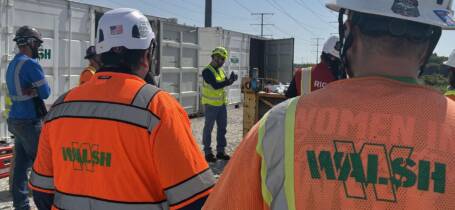
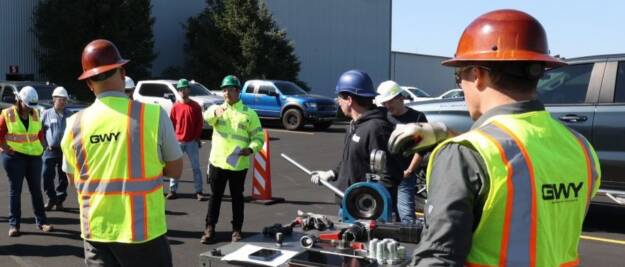
Hands-on training is especially valuable because it gives personnel the opportunity to work directly with the equipment they may encounter on the jobsite. Instead of simply hearing how a procedure should be performed, crews can practice it, ask questions, and work through potential challenges in a controlled environment.
Training That Goes Beyond the Tool
At GWY, we believe effective training should involve more than learning how to operate a tool.
Our training sessions combine practical instruction with hands-on learning to help crews understand the complete bolting process. From the connection and installation method to verification and navigating jobsite conditions.
Training is available virtually, on-site, or in a classroom setting and can be tailored to the needs of the crew and project. Participants can also have the opportunity to earn Professional Development Hours (PDHs), making training a valuable investment in both jobsite performance and professional development.
Whether you’re training a new crew, refreshing existing knowledge, or preparing your team for a specific project, training can help give your team the knowledge and confidence to get the job done right.
Jobsite Training
Sessions tailored to your crew, tools, and project requirements.