

Structural bolting tools are built for demanding applications, but even well-maintained equipment experiences wear over time. When a tool starts acting up, needs service, or stops working altogether, the next question is whether to repair it or invest in a replacement.
The right decision depends on more than the tool’s age or the initial repair estimate. Repair costs, parts availability, turnaround time, overall condition, and jobsite demands all play a role in determining the most practical option.
Understanding these factors can help you make an informed decision, minimize downtime, and keep your structural bolting equipment ready for the work ahead.
Key Takeaways
- Repair may be the better option when the issue is manageable, parts are available, and the tool remains in good overall condition.
- Replacement may make more sense when repairs are extensive, parts are unavailable, or recurring problems make continued service impractical.
- Repair costs and turnaround times vary depending on the damage, tool type, parts availability, and service requirements.
- Proper service matters. Addressing performance issues and following maintenance and calibration requirements helps keep equipment ready for use.
- Consider the full picture. Repair cost, downtime, future reliability, and project requirements should all factor into the decision.
When Does Structural Bolting Tool Repair Make Sense?
A tool that isn’t performing as expected doesn’t necessarily need to be replaced. In many cases, professional repair can restore equipment to proper working condition and extend its useful life.
Repair may be worth considering when:
- The issue is limited to a replaceable part. Worn parts, damaged components, or other serviceable issues may be resolved without replacing the entire tool.
- The tool is otherwise in good condition. Equipment with a solid overall condition and a history of proper maintenance may have plenty of useful life remaining.
- Replacement parts are available. If the necessary parts can be sourced, repairing the tool may be a practical alternative to purchasing new equipment.
- The repair cost is reasonable. When the cost of service is substantially less than the cost of a comparable replacement, repair may offer better value.
- The tool meets your current needs. If the tool is still appropriate for your applications, bolt sizes, and jobsite requirements, there may be little reason to replace it.
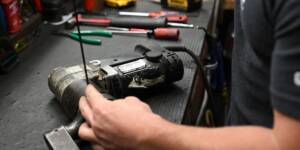
A professional evaluation can help determine the source of the problem and whether repair is a viable option. What appears to be a major failure may turn out to be a relatively easy fix.
When Is It Better to Replace a Structural Bolting Tool?
Although repair can extend equipment life, it isn’t always the best choice. Some tools have reached a point where continued repairs cost more time and money than replacement. Replacement may make more sense when:
- Repair costs are too high. If the estimated repair approaches the cost of a comparable new tool, replacement may provide better long-term value.
- Major components are damaged. Extensive internal damage or multiple failing components can make a repair more involved and expensive.
- Parts are difficult to obtain. If parts are discontinued or unavailable, restoring the tool may not be feasible.
- The tool has a history of recurring problems. Repeated breakdowns can lead to ongoing service expenses and unpredictable downtime.
- Your application has changed. A tool that once met your needs may no longer be the right fit for your current workload, bolt sizes, or production demands.
Age alone shouldn’t determine whether a tool needs to be replaced. A well-maintained tool may remain serviceable for years, while a newer tool can still require significant repairs. The more important question is whether the equipment can be reliably maintained and continue meeting your operational needs.
What Affects Tool Repair Costs and Turnaround Time?
If you’re weighing repair against replacement, cost and timing are often two of the biggest considerations. However, neither can always be determined by the tool’s symptoms alone. Several factors can influence the repair process.
Type and Extent of Damage
A straightforward repair involving a replaceable part will generally require less work than one involving extensive internal damage. A technician needs to identify the underlying issue before determining the scope of the repair.
Parts Availability
The availability of replacement parts can have a significant impact on turnaround time. Common components may be easier to source, while specialized or discontinued parts can take longer to obtain.
Tool Type and Model
Different tools have different service requirements. A TC shear wrench, TN wrench, torque wrench, or hydraulic tool may require different diagnostic procedures, components, and testing before it can be returned to service.
Inspection, Testing & Calibration
Repairs may require additional inspection or performance testing to verify that the tool is functioning as intended. For tools that require calibration, that step may also need to be completed before the equipment is returned to service.
Service Provider and Workload
Turnaround time can also depend on the service provider’s current workload, available technicians, and the complexity of the repair. If a tool is needed for an upcoming project, it’s worth discussing the expected timeline before making a decision.
Keep in mind: A repair estimate and turnaround time are difficult to determine accurately without evaluating the tool. If you have a deadline to meet, communicate that when arranging service so you can plan accordingly.
Why Tool Repair and Maintenance Matter
Structural bolting tools play an important role in achieving consistent, reliable results. When equipment isn’t operating as intended, it can create more than an inconvenience. Depending on the tool and application, performance issues can affect productivity, installation procedures, and the ability to complete required inspections.
Professional service helps identify issues that may not be immediately apparent and determines what work is needed to return equipment to service.
Regular maintenance can also help you identify wear and potential problems before they result in an unexpected breakdown. Following the manufacturer’s maintenance recommendations, addressing performance changes promptly, and keeping up with applicable tool calibration requirements are all important parts of responsible tool ownership.
It’s equally important to understand that repair and calibration serve different purposes. Repair addresses mechanical or functional problems, while calibration evaluates a tool’s ability to consistently achieve the required torque values within an acceptable range of accuracy.
For tools used in structural bolting, following the applicable manufacturer’s instructions and project requirements is essential. A tool should not be returned to service simply because it powers on or appears to operate normally.
Should You Repair or Replace Your Tool? Questions to Ask
Before making a decision, consider the following questions:
- What is the actual problem? Have the tool evaluated to identify the cause rather than basing your decision solely on the symptoms.
- How much will the repair cost? Compare the estimated service cost with the price of a suitable replacement.
- How quickly do you need the tool? Consider the expected repair timeline and whether you have backup equipment available.
- Is the tool worth maintaining long-term? Think about its overall condition, repair history, parts availability, and expected future use.
- Will it meet your requirements after service? Confirm whether additional testing, calibration, or other verification is needed before the tool returns to work.
- Would renting or replacing the tool better support your needs? If the repair timeline doesn’t align with your project schedule, temporary rental equipment or a replacement may be worth considering.
There isn’t one answer that works for every tool. A service evaluation can help you understand the available options and make a decision based on the equipment’s condition, cost, and intended use.
Repair, Replacement, and Service Support from GWY
At GWY, we understand how important reliable equipment is to keeping structural bolting work moving. That’s why we offer repair services for a wide range of structural bolting tools, including equipment from multiple manufacturers.
Our team services tools such as shear wrenches, TN wrenches, torque wrenches, bolt tension calibrators, and other bolting equipment. We can help identify service needs and determine the appropriate next steps based on the tool and its condition.
GWY also provides calibration services for applicable equipment, helping customers maintain their tools in accordance with relevant requirements. If repair isn’t the most practical option, we can help you explore replacement equipment or rental options to support your project.
Whether you need a tool repaired, calibrated, or replaced, having the right service support can help you make an informed decision and keep your equipment ready for the job.
Need help deciding whether to repair or replace a tool? Contact GWY to discuss your equipment and explore your options. We’re here to help make bolting simple, safe, and reliable.
FAQs
Is it worth repairing a discontinued structural bolting tool?
Not necessarily. Age alone doesn’t determine whether a tool is worth repairing. Its overall condition, repair history, parts availability, and estimated repair cost are more useful factors to consider.
How much does structural bolting tool repair cost?
Repair costs depend on the tool’s make and model, the issue being addressed, the parts required, and the labor involved. A service evaluation is generally needed to determine the scope of work and provide a meaningful estimate.
How long does structural bolting tool repair take?
Turnaround time varies based on the type of repair, parts availability, and service workload. Additional testing or calibration may also affect the timeline. Contact your service provider to discuss the expected turnaround for your specific tool.
Should I rent a tool while mine is being repaired?
Renting may be a practical option when you need equipment to keep a project moving while your tool is out of service. The best choice depends on the expected repair timeline, rental cost, tool availability, and how long you’ll need the equipment.
How can I help prevent unexpected tool breakdowns?
Follow the manufacturer’s maintenance instructions, inspect equipment as recommended, address unusual performance promptly, and keep up with applicable calibration and service requirements. Routine attention can help identify potential issues before they cause unplanned downtime.