
Every project comes with equipment decisions, and one of the most common is whether to rent or purchase the tools you need.
The answer isn’t always straightforward. While purchasing equipment can provide long-term value for crews that use the same tools regularly, renting often offers greater flexibility, lower upfront costs, and access to specialized equipment without the commitment of ownership.
For structural bolting contractors, fabricators, and project managers, the decision typically comes down to a few key factors:
- How often will the tool be used?
- How long will the project last?
- Do you have the resources to maintain, calibrate, and store the equipment?
- Would that capital be better invested elsewhere?
Understanding the advantages and trade-offs of each option can help you make the best decision for your project, crew, and budget.
Key Takeaways
- The right choice between renting and buying depends on how often, how long, and how the equipment will be used.
- Buying can make sense for frequently used tools and long-term equipment needs, while renting can provide flexibility for short-term or specialized applications.
- The true cost of ownership goes beyond the purchase price and can include maintenance, repairs, calibration, storage, and transportation.
- Renting can help contractors manage temporary workload increases, limited storage, or specialized equipment needs without a large upfront investment.
- Whether you rent or buy, selecting the right tool for the application is essential for productivity, installation quality, and project requirements.
When Buying Tools Makes Sense
Purchasing equipment is often the right choice when the numbers and workflow support it.
Frequent Tool Use
If a tool is a regular part of your crew’s work, ownership typically provides the best long-term value. Repeated rental fees can add up quickly, often exceeding the purchase price after just 12 weeks.
Long-Term Access Needs
Multi-phase projects and ongoing contracts often require consistent access to the same equipment. Ownership eliminates the need to coordinate rentals and helps ensure the tool is available whenever it’s needed.
Specific Tool Preferences
Experienced installers often develop preferences regarding tool performance, controls, and setup. Owning equipment allows crews to work with tools they know and trust.
Building Long-Term Savings
While purchasing requires a larger upfront investment, the cost per use generally decreases over time. For frequently used equipment, ownership can provide significant savings throughout the tool’s service life.
Immediate Availability
Owning your equipment means it’s available when your crew needs it. There are no concerns about rental inventory, shipping schedules, or lead times.
When Renting Is the Better Choice
For many projects, renting is the smarter business decision.
You’re Working on a Short-Term Project
If a tool will only be used for a few days, weeks, or a single project, renting keeps costs directly tied to the work being performed. Once the project is complete, you simply return the equipment rather than finding a place to store it.
The Equipment Is Specialized or Expensive
Not every contractor needs to own every tool. Equipment such as hydraulic systems, bolt tension calibrators, or specialized installation tools can represent a significant investment. Renting provides access to industrial equipment without the large capital expenditure.
Storage Space Is Limited
Equipment ownership comes with storage requirements. Renting allows you to keep your inventory lean while still having access to the tools you need when projects demand them.
Try Before You Buy
Renting is an excellent way to test equipment in real-world conditions before committing to ownership. Many contractors use rentals to determine whether a particular tool, installation method, or technology is the right fit for their operation.
Budget Is Tight
Renting helps preserve cash flow by avoiding large upfront purchases. This can be especially valuable when balancing labor, materials, and other project expenses.
You Need to Scale Up Quickly
Large projects often require additional equipment beyond your existing inventory. Renting allows you to expand capacity quickly without waiting for procurement approvals or equipment deliveries.
Benefits of Renting from GWY
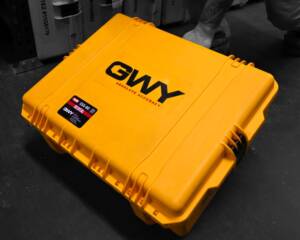
When you rent from GWY, you’re getting more than just a tool. Our team has more than 50 years of experience supporting structural bolting projects and understands the importance of reliable equipment.
Renting provides access to a wide range of equipment, including:
- Turn-of-Nut wrenches
- Shear wrenches
- Electric torque wrenches and nut runners
- Torque tools
- Hydraulic wrenches and equipment
- Bolt tension calibrators
- Specialty sockets and accessories
Rentals can also serve as a temporary solution when your owned equipment is being repaired, serviced, or calibrated, helping keep projects moving without interruption.
Common Mistakes
Even experienced contractors occasionally make the wrong call.
Buying Tools for a Single Project
Purchasing specialized equipment for a one-time application often results in expensive tools sitting idle after the work is complete. If you can’t identify future projects where the equipment will be used regularly, renting may be the better option.
Underestimating the True Cost of Ownership
The purchase price is only part of the equation.
Ownership also includes:
- Maintenance
- Repairs
- Calibration
- Storage
- Transportation
- Equipment management
These costs can add up significantly over the life of a tool.
Renting for Too Long
Renting is ideal for short-term needs, but repeated long-term rentals can eventually exceed the cost of ownership. If you’re consistently renting the same equipment for multiple projects, it may be time to evaluate whether purchasing makes more financial sense.
Choosing the Wrong Tool
The wrong tool can impact productivity, installation quality, and compliance with project specifications. Whether you’re renting or buying, selecting the correct equipment for the application is just as important as deciding how to acquire it.
Waiting Until the Last Minute
Rental equipment is in demand, particularly during busy construction seasons. Planning ahead helps ensure the equipment you need is available when your project starts.
How to Decide What's Best
Before making a decision, ask yourself:
- How often will this tool be used?
- How long will the project last?
- Do I have the resources to maintain and calibrate the equipment?
- Do I have adequate storage space?
- Is preserving capital important right now?
- Will I need this tool again on future projects?
- Do I need additional capacity for a temporary workload increase?
Answering these questions will usually point you toward the right solution.
The Bottom Line
There is no one-size-fits-all answer when it comes to renting versus buying structural bolting tools.
Frequent use, long-term projects, and guaranteed availability often support purchasing equipment. Short-term projects, specialized applications, fluctuating workloads, and budget considerations often make renting the better choice.
Many successful contractors utilize both strategies, owning the tools they use every day while renting specialized or temporary equipment as project demands change.
If you’re unsure which option makes the most sense for your application, the GWY team can help evaluate your requirements and recommend the best solution for your project.
Whether you’re looking for a long-term equipment investment or a short-term rental, we’re here to help you get the right tool for the job.
FAQs
Is it cheaper to rent tools instead of buying?
It depends on how frequently you’ll use them. For short-term projects, occasional work, or specialty applications, renting often costs significantly less upfront. However, if a tool is being used consistently across multiple projects throughout the year, ownership may provide better long-term value.
The key is looking beyond the purchase price and considering the total cost of ownership, including maintenance, repairs, calibration, storage, and downtime.
How often should I use a tool before buying makes sense?
There’s no universal rule, but frequency is usually the deciding factor. If you’re reaching for the same tool on nearly every project, purchasing becomes the more economical option over time.
If it’s a specialty tool used only a few times a year, renting allows you to access the equipment without tying up capital in something that spends most of its life on a shelf.
What tools are better to rent than own?
Specialized, high-cost, or infrequently used equipment is often a great candidate for renting.
Examples include:
- Bolt tension calibrators, essential for pre-installation verification
- Hydraulic torque wrench setups
- Additional tools needed for large crews
- Equipment required for a specific project specification
Renting provides access to the right tool when you need it without the long-term ownership costs.
Are rental tools reliable?
They should be.
At GWY, every rental tool is inspected, serviced, and tested before it leaves our facility. Equipment is maintained to help ensure it arrives ready to perform on the jobsite.
What is the rental policy?
Once your project is complete, ship the tool back to our facility using your preferred shipping method. We’ll officially stop processing charges once it arrives. If your project schedule changes, rental periods can be extended to accommodate your needs. Just keep in mind that customers are responsible for shipping costs, and in the event a tool is lost, stolen or damaged, your rental agreement will include a payoff amount for the tool.