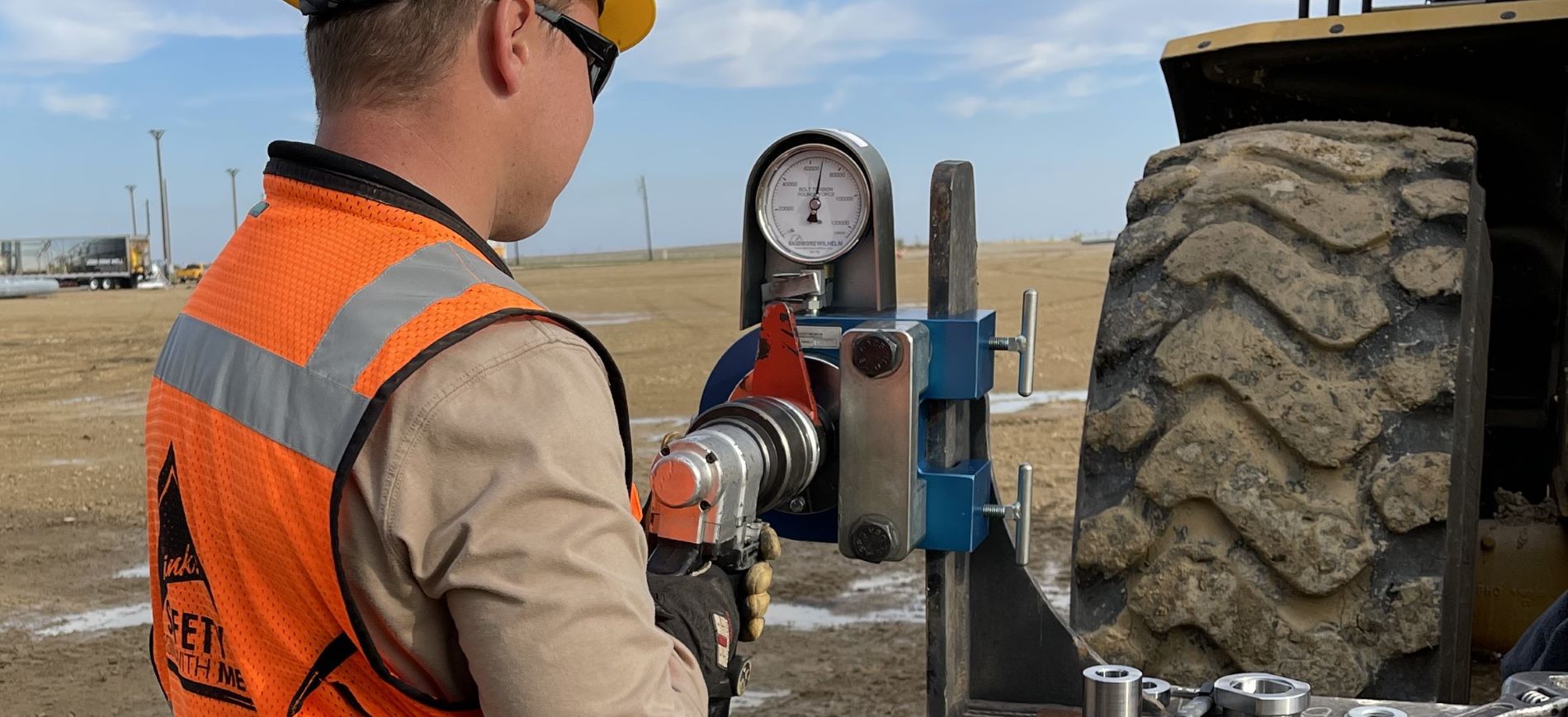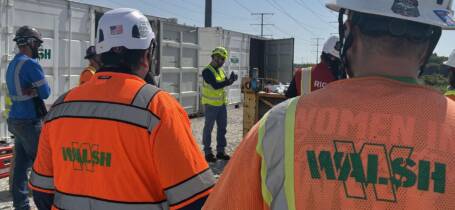


In structural bolting, “minimal clearance” refers to the limited space available around a fastener making it difficult, or sometimes impossible, to access bolts with standard tools. When that happens, crews are forced to work around obstructions, increasing the risk of improper installation, lost time, and added strain on the operator. That’s where the right tools make all the difference.
Where Clearance Becomes a Problem
Restricted access shows up in a variety of structural applications and when standard tools don’t fit or can’t operate properly, it can lead to:
- Inaccurate Installation
Poor tool positioning can result in incomplete bolt installations that compromises connections. - Slower Production
Fighting for access increases time to every bolt, which adds up quickly across a project. - Increased Labor Time & Costs
More time, more adjustments, more tool swaps, it all impacts the bottom line. - Operator Fatigue & Safety Concerns
Awkward positioning and tight working conditions increase the risk of strain and injury.
Minimal clearance applications not only affect convenience, but it also directly impacts quality, safety, and schedule.
Tools Built for Tight Spaces
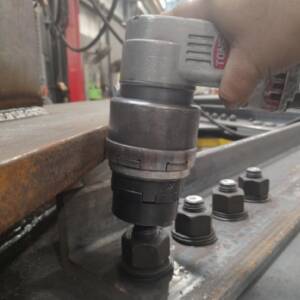
Standard bolting tools weren’t made for tight-clearance work, but advancements in tool design and technology have led to high-performance solutions engineered for that exact purpose. Minimal clearance tools allow workers to operate in confined areas while still delivering the accuracy and performance required for proper bolt installation and verification.
We supply several solutions depending on clearance, bolt type, and installation method:
- Low-Profile Hydraulic Torque Wrenches deliver high torque in a compact footprint for tight and recessed bolting applications such as in pipework and turbines.
- Square-Drive Hydraulic Torque Wrenches offer a balance of strength and accessibility, making them ideal for applications with limited, but not extreme, clearance around the nut or bolt.
- Minimal Clearance Electric Torque Wrenches combine precision and high accuracy for torque-controlled installations.
- Torque Multipliers magnify torque output without requiring excessive operator force when paired with additional tools.
- Manual Torque Wrenches are a practical solution for lower torque applications or remote job sites. Lightweight and easy to use, with square drive output for added versatility.
- Minimal Clearance Turn-of-Nut Wrench supports Turn-of-Nut and DTI installations with angle control in 1° increments.
- X-Holder Extensions fit between select electric torque and Turn-of-Nut wrenches to give you the extra reach you need for confined spaces.
- Minimal Clearance Electric Shear Wrenches are designed specifically for TC bolt installation in tight-access areas, delivering consistency where space is limited.
- Manual Shear Wrenches are lightweight and portable, offering a reliable solution for installing TC bolts in areas where power tools may not be feasible.
- Extension Sockets provide additional length for select electric shear wrench models installing 3/4″ to 1-1/8″ TC bolts.
How to Choose the Right Tools
Selecting the right tools for minimal clearance applications requires more than just knowing the bolt size. Each connection presents its own challenges, and choosing the wrong tool can slow production or impact installation accuracy. Key factors to consider include:
- Available Clearance
Measure not just the space around the bolt, but also account for tool swing, reaction points, and approach angle. - Bolt Type & Size
Ensure the tool can deliver the required torque or tension for the specific fastener being installed. - Installation Method
Determine which of the five installation methods the project calls for and select tools accordingly. - Power Source & Mobility
Consider whether hydraulic, electric, or manual tools are most practical based on jobsite conditions and accessibility. - Frequency of Use
For high-volume applications, efficiency and speed are critical. For one-off or hard-to-reach bolts, portability and flexibility may take priority.
Taking the time to evaluate these factors upfront helps crews avoid delays, reduce tool changes, and maintain consistent, accurate installations.
Best Practices for Minimal Clearance Applications
Having the right tool is only part of the equation. How you plan and execute the work matters just as much. By following best practices for tool selection, maintenance, and integration, teams can overcome clearance limitations while maintaining project timelines and structural performance.
1. Thoroughly assess worksite conditions
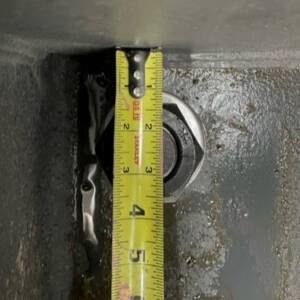
Before selecting a tool, measure clearance dimensions, identify surrounding obstructions such as beams or piping, and evaluate visibility limitations that may affect tool placement. A tool that fits in one location may not be usable in another due to angle restrictions or nearby interference.
2. Match the tool to the application
Different bolting methods require specific procedures and specifications according to AISC/ RCSC guidelines. Consider versatile tools capable of handling multiple bolt sizes to reduce equipment changes and improve efficiency.
3. Prioritize worker safety and ergonomics
Tight spaces often involve awkward positioning and pinch points. Select lightweight, compact tools with ergonomic designs to minimize fatigue and reduce injury risk. Ensure tools do not create pinch hazards between the wrench, bolt, or surrounding steel.
4. Stay on top of maintenance and calibration
Routine maintenance and calibration ensure tools remain accurate, efficient, and safe for use in minimal clearance environments. Factors to keep in mind:
- Annual calibration of torque tools
- Routine inspection before and after use
- Proper cleaning and lubrication
- Avoiding continuous max-load operation
- Replacing worn components as needed
5. Train crews on new tools and setups
Even the best tool won’t perform if it’s not used correctly. Proper training ensures safety, efficiency, and compliance in the field, especially when adopting new solutions for minimal clearance applications.
Case Study: Overcoming Limited Access
Complex connections and tight tolerances require more than off-the-shelf tools. See how we worked with a customer to find a compliant solution that solved their minimal clearance challenge. Read case study below:
Customized Bolting Solution for Confined Structural Steel Connection
Finding the Right Solutions
At GWY, we do more than supply tools, we help crews solve real jobsite challenges and because no two clearance situations are exactly the same, there’s no one-size-fits-all solution. Whether you’re looking to rent for a specific project or invest in equipment for long-term use, our team works with you to find the right fit for your application.
With extensive product knowledge and hands-on industry experience, we help identify the best tools for tight-clearance work, reduce downtime, and keep your projects moving. From selection to setup, we make sure your crew has what it needs to get the job done right.